In a world being reshaped by AI, the most valuable thing you can see is what makes us irreplaceably human.
Roles are fluid. Tasks are automated. What organizations need from people today — judgment, adaptability, human connection — is exactly what AI cannot replicate.
The leaders who will thrive are the ones who learn to see people differently — not through the jobs they’ve held, but through the skills they’ve built.
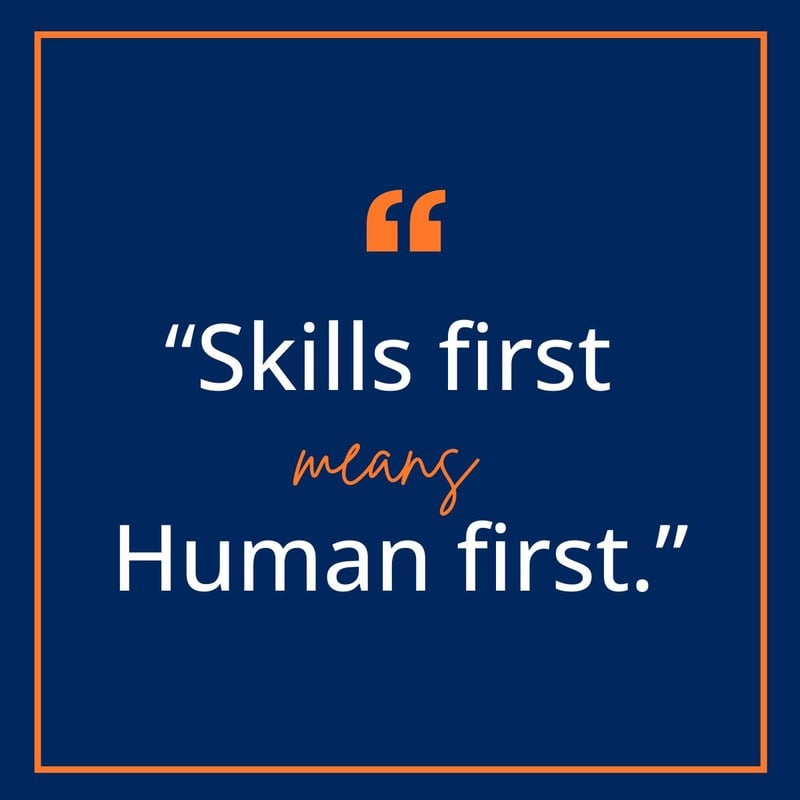
Focusing on skills is the most powerful way to honor people, hire the right talent, and build inclusive, future-ready teams. This approach unlocks opportunities for overlooked talent, increases retention, and builds cultures of belonging.
AI is reshaping work. But people are still driving the outcomes.
When people are treated well — seen, valued, and celebrated for who they are — they are more engaged. Different generations. Different cultures. Different ways of moving through the world. Differences coming together to solve problems is not just the right thing to do. It is the most effective way to work.
A human-centered workplace honors that. It creates the conditions where people feel safe to be themselves — where the full range of human perspective, experience, and capability can be brought to the work. That is where creativity and resilience are built.
Skills First is the start for building a human-centered workplace – because the success of an organization starts with first seeing the humans inside it.

People often want to grow beyond where they are. But it’s only possible if someone can see them — not through the container of their last job, but through the lens of skills that can be developed and applied in new contexts.
Skills help us see people more fully. When we can see people fully — it creates opportunity for people to show up as their best self. And when people show up as their best selves, engagement follows. Engaged people stay, contribute more, and drive the outcomes organizations exist to achieve.
Four places where the lens shift shows up — applied consistently across how an organization thinks about and works with its people.
Develop the ability to recognize skills.
Most of us were never taught to look for skills — we were taught to look at titles, credentials, and job history. That made sense when work was stable and roles were fixed. It doesn’t anymore.
Seeing differently means asking different questions in every conversation, every hire, every performance discussion. When skills can surface and be named, every people decision that follows changes.
Hire for what the work actually requires.
The skills that make a person good at their job are not the same thing as their job.
When you understand what capabilities actually drive success in a role — and build a process to assess for those — everything changes. Who you find. Who gets seen. Who gets the opportunity to contribute.
Put the right skills in the right places.
Having the right skills isn’t enough if they aren’t connected to the right work. When different skills are deliberately brought together around a problem, teams can do what no single job title could accomplish alone.
People feel more fully utilized. Their contributions become visible. Aligned skills deliver the mission.
Grow people beyond the jobs they’ve held.
Development anchored in skills is built for where work is going — not just where it has been. The organizations that will thrive are the ones building capability ahead of what’s required — not reacting to change but moving ahead of it.
In the age of AI that means developing the skills no algorithm replaces: judgment, adaptability, human connection.
Skills are not static. They deepen with experience. They expand with challenge. They show up in new forms when applied to new problems.
When you understand your skills — not just what they are today but how they can grow — you stop seeing yourself as someone defined by a job history and start seeing yourself as someone with a trajectory. The question shifts from “what have I done?” to “what am I becoming capable of?”
Most people describe what they do. Few can name what makes them effective at it.
When you can name your skills specifically, you gain agency. You can articulate your value in any room, for any opportunity, in any context. Skills are transferable. They don’t belong to a role. They belong to you. Clarity creates options — and options create opportunity.
Skills are not static. They deepen with experience. They expand with challenge. They show up in new forms when applied to new problems.
When you understand your skills — not just what they are today but how they can grow — you stop seeing yourself as someone defined by a job history and start seeing yourself as someone with a trajectory. The question shifts from “what have I done?” to “what am I becoming capable of?”
The shift doesn’t stop with you.
When you learn to see skills clearly in yourself, you begin to see capabilities in the people around you that others miss. This is a new form of leadership — forward-looking, people-developing, future-building.
Not managing what exists. Seeing what’s possible. Identifying what the future will require — and deliberately building the capability to meet it. Leaders who operate this way don’t just respond to change. They prepare their people for it.
That is where individual clarity becomes organizational capacity.
When leaders shift the lens, everything shifts — how work gets designed, how teams are built, who gets seen and developed. Engagement rises because people feel fully utilized. And talent that a traditional process would have missed finally gets the opportunity to contribute.
This is not just a better way to hire. It is a new form of leadership — built for the way work actually works today.
Most people carry more capability than they’ve ever fully named. When you learn to see yourself through a skills lens — not just the jobs you’ve held — you discover a clearer, more portable sense of your own value. One that travels with you across roles, industries, and contexts.
The leaders who thrive will be the ones who know their skills specifically — and can apply them alongside the tools, not in spite of them.

A live, interactive exchange for leaders ready to think differently about skills, talent, and the future of work. Bring what you know. Discover what you’ve been missing. Ask the questions most organizations haven’t thought to ask yet.
If something in this resonated — reach out. Let’s talk about what you’re seeing in your organization and what might be possible when you change the lens.
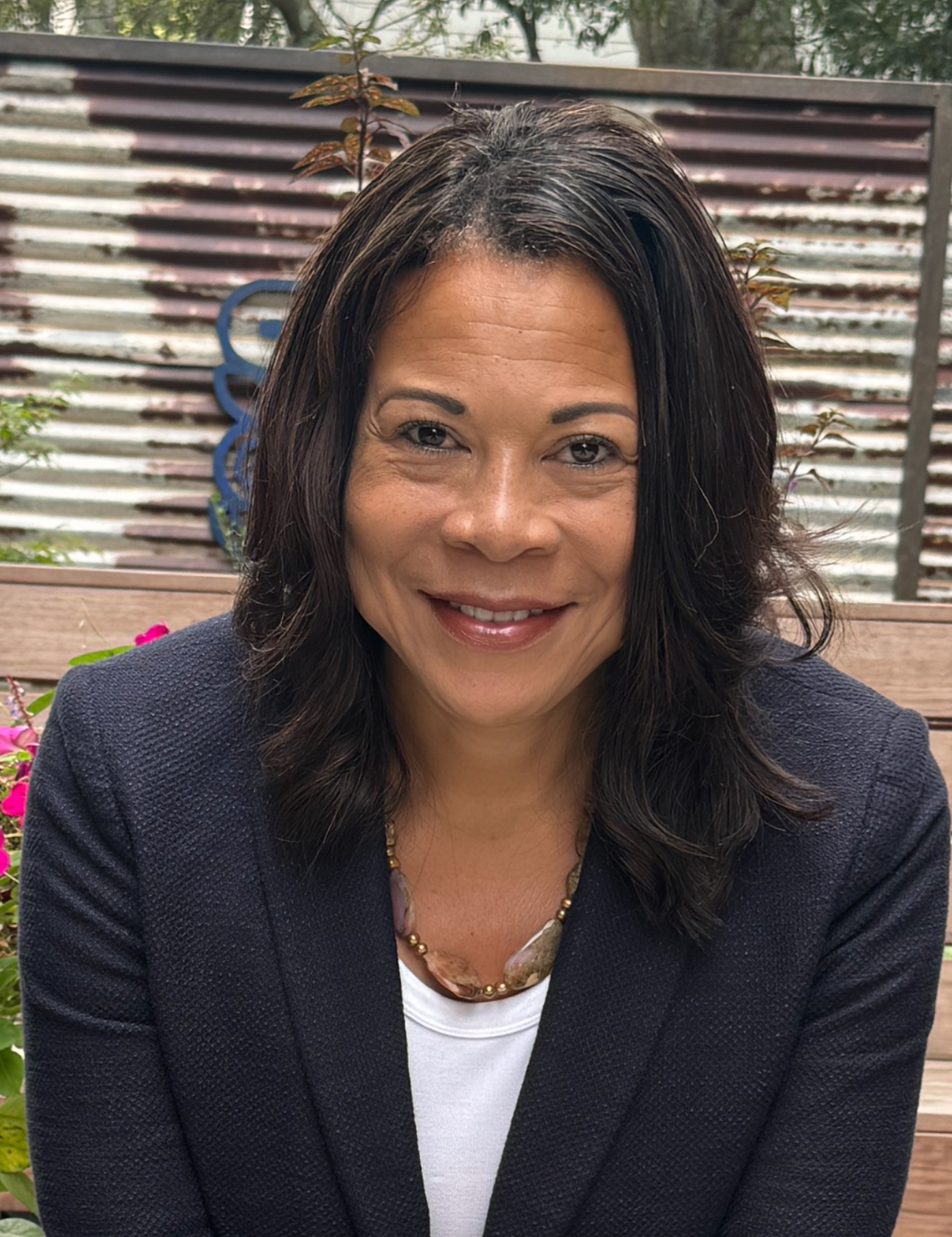
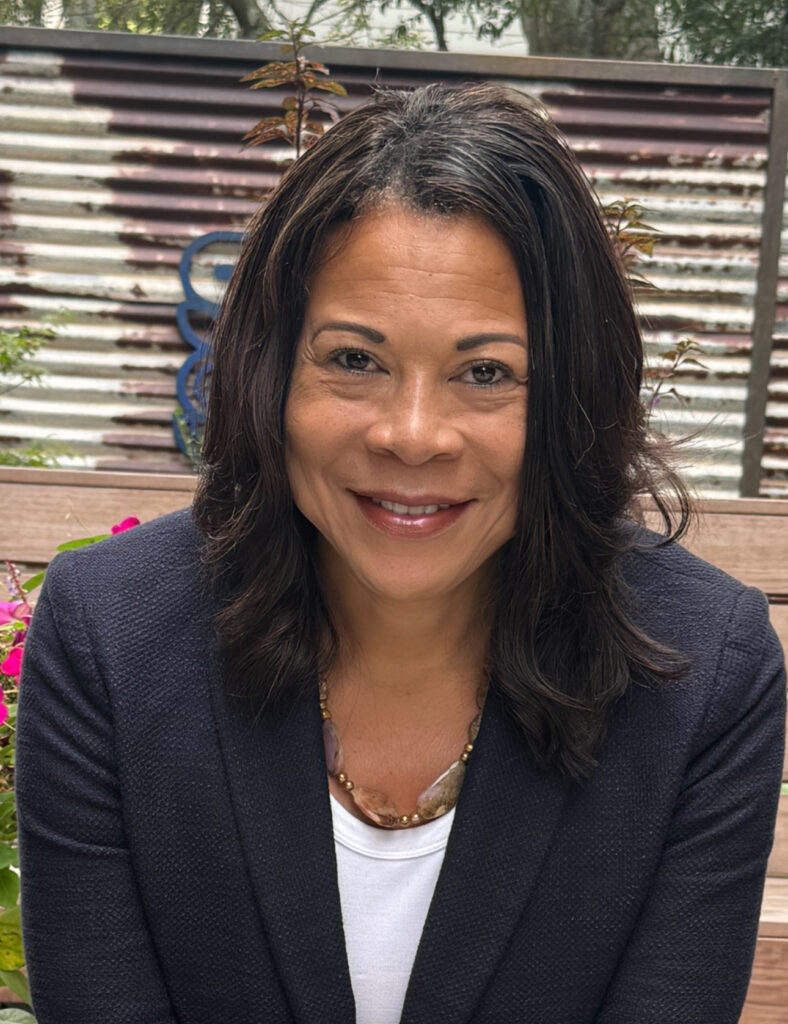
Skills Strategist • Executive Coach • VP People Experience, Atlanta Community Food Bank